
Trézor.io/Start — Starting Up™ Your Device | Trezor®®
Use Trezor.io/start to learn the key steps involved in preparing a Trezor wallet, connecting Trezor Suite, managing accounts, and protecting important recovery details.
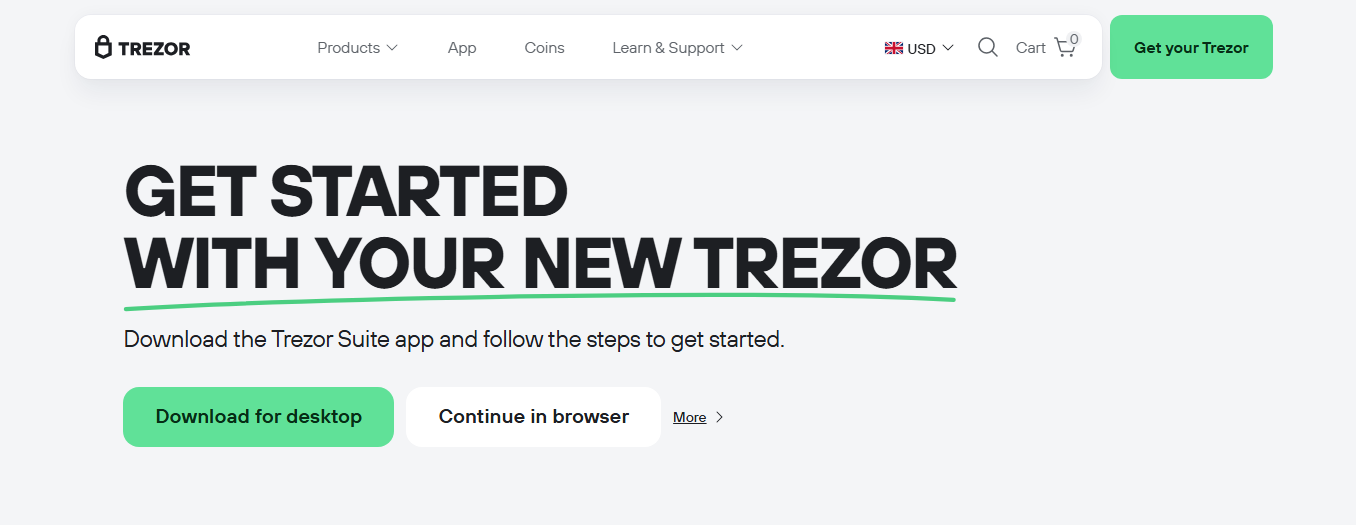
Trezor.io/start: A Complete Guide to Trezor Wallet Setup and Security
Setting up a hardware wallet for the first time involves more than connecting a device and opening wallet software. Users need to understand device initialization, recovery information, security checks, wallet management, and transaction confirmation. Trezor.io/start provides a useful starting point for users who want to learn about setting up and preparing a Trezor hardware wallet.
A hardware wallet is designed to keep sensitive wallet credentials isolated from everyday computer activity. When combined with trusted wallet software and careful security habits, it can provide a structured way to manage digital assets while maintaining control over important wallet information.
What Is Trezor.io/start?
Trezor.io/start refers to the starting point associated with Trezor wallet setup. It can help users understand the general process of preparing a Trezor hardware wallet, connecting the device with compatible software, and completing important security steps.
For new users, the setup process is also an opportunity to become familiar with how the physical device, wallet application, recovery information, and transaction approvals work together.
Understanding Trezor Hardware Wallet Security
A Trezor hardware wallet is designed to provide a dedicated environment for protecting sensitive wallet credentials. Instead of relying entirely on the computer or phone being used, important operations can involve confirmation directly on the physical device.
This separation is important because computers can encounter malicious software, phishing attempts, or other security risks. Keeping sensitive information protected by the hardware device adds an additional layer to the wallet-management process.
Preparing for Trezor Wallet Setup
Before beginning a Trezor wallet setup, choose a private and secure environment. Make sure the computer or mobile device being used is trusted and that its operating system and security software are reasonably up to date.
Users should also make sure they have access to the correct Trezor resources. Avoid starting the setup process from advertisements, unsolicited messages, or unfamiliar websites that imitate legitimate wallet services.
Starting the Trezor Device Configuration
Once the hardware wallet is ready, the initial configuration generally involves connecting the device and following the instructions presented by the compatible wallet software.
Pay attention to messages shown on both the computer screen and the physical Trezor device. If an important security instruction or verification request appears on the hardware wallet, review it carefully rather than automatically approving it.
Completing Wallet Initialization
During wallet initialization, the device may guide users through security-related steps and wallet creation. The exact experience can vary depending on the Trezor model and current software environment.
Do not rush through this stage. Understanding each prompt can help prevent mistakes that could later affect access to the wallet or management of digital assets.
Protecting the Trezor Recovery Information
Recovery information is one of the most important parts of a hardware wallet. It can be used to restore access to wallet accounts under appropriate circumstances, which means it should be treated as highly sensitive information.
Write recovery information down carefully using the recommended method and store it somewhere private and secure. Never share it with another person, enter it into an unknown website, or upload it to cloud storage simply for convenience.
Why Recovery Information Matters
A hardware wallet can be replaced, damaged, or lost, but recovery information can play an important role in restoring access to the associated wallet.
This is why users should think about long-term storage rather than only the initial setup. A secure recovery process is an essential part of responsible cryptocurrency ownership.
Creating Strong Device Access Protection
Users should establish appropriate device access protection during setup. This protection helps prevent someone with physical access to the hardware wallet from using it without authorization.
Avoid predictable combinations or information that could easily be associated with you. Device access protection should also remain private and should never be sent to someone claiming to provide technical support.
Connecting Trezor With Compatible Software
After preparing the hardware wallet, users can connect it with compatible wallet-management software. This software provides an interface for viewing accounts, checking balances, managing supported assets, and preparing transactions.
It is important to remember that the software interface and the hardware wallet have different roles. The application provides the management environment, while the physical device can be used for important security confirmations.
Managing Cryptocurrency Accounts
Once setup is complete, users can organize supported cryptocurrency accounts through their wallet software. Different assets may require different account configurations or applications depending on the device and software environment.
Keeping accounts organized can make it easier to identify balances, review transactions, and understand which assets are being managed.
Receiving Cryptocurrency Carefully
Receiving cryptocurrency may appear simple, but address accuracy is extremely important. Before sharing or using a receiving address, review the information carefully.
For important transfers, users should consider verifying the displayed address through the appropriate wallet interface and, where applicable, checking information directly on the physical device. A small mistake in an address can have serious consequences because blockchain transactions are generally difficult to reverse.
Reviewing Transactions Before Approval
One of the most important security habits when using a hardware wallet is reviewing transaction details before confirming them.
Check the destination address, amount, network, and other relevant information. Do not approve a transaction merely because it appears on the computer screen. When the physical device displays transaction information for verification, compare it carefully before approving anything.
Recognizing Fake Trezor Websites
Phishing websites can imitate legitimate cryptocurrency services and may use similar branding, layouts, or domain names. Some may attempt to convince users to provide recovery information or sensitive credentials.
When accessing Trezor resources, carefully check the website address before entering any information. Be especially cautious with links received through unsolicited emails, social media messages, pop-ups, or unexpected support requests.
Avoiding Fake Customer Support
Cryptocurrency users may encounter fake support accounts that claim to help with wallet problems. A legitimate support process should never require you to reveal sensitive recovery information simply to troubleshoot a wallet.
Never provide your recovery information to someone who contacts you unexpectedly. If a person asks for it, treat the request as a serious warning sign.
Keeping Wallet Software Updated
Software updates can improve compatibility, stability, and security. Users should pay attention to legitimate update notifications and use trusted sources when obtaining wallet software.
Avoid downloading wallet applications from random websites or third-party download pages. A convincing-looking application can still be unsafe if it comes from an untrusted source.
Common Trezor Setup Mistakes to Avoid
Several mistakes can create unnecessary security risks during wallet setup. These include saving recovery information digitally, sharing recovery details with another person, using suspicious websites, ignoring device warnings, and approving transactions without reviewing them.
Another common mistake is rushing through setup. Taking a few extra minutes to understand each step can help reduce avoidable errors.
Verifying Information on the Physical Device
The physical Trezor device is an important part of the security process. When transaction or account information is displayed for verification, compare it with the information shown in the wallet software.
This habit can help users identify discrepancies before approving an important operation. If something does not match, stop and investigate instead of continuing automatically.
Developing Safer Trezor Wallet Habits
Security does not end after the initial Trezor.io/start setup. Users should continue protecting their recovery information, checking website addresses, reviewing transactions, and keeping their wallet environment maintained.
It is also useful to remain cautious when receiving unexpected messages about account problems, wallet updates, rewards, or security emergencies. Urgency is often used to encourage people to make decisions without thinking carefully.
What to Do If a Setup Problem Appears
If something does not work as expected during setup, avoid entering sensitive information into an unfamiliar website as a quick solution. Review the instructions shown by the trusted wallet software and check whether the hardware device displays any relevant message.
If an unexpected request for recovery information appears, stop before continuing. A security problem is better investigated carefully than bypassed in a hurry.
Why Trezor.io/start Is Important for New Users
Trezor.io/start can be viewed as an entry point for understanding the broader Trezor wallet setup process. It introduces users to the relationship between the physical hardware wallet, compatible software, recovery information, and transaction verification.
Learning these concepts before managing significant digital assets can make the overall wallet experience easier to understand and safer to manage.
Final Thoughts
A successful Trezor wallet setup is not only about getting a device connected. It is about creating a secure foundation for managing digital assets over time. Users should protect recovery information, verify transaction details, use trusted software, avoid suspicious websites, and pay attention to information displayed on the physical hardware wallet.
By approaching Trezor.io/start as the beginning of a broader security process rather than a single setup task, users can build better habits for managing their Trezor hardware wallet and digital assets responsibly.
Updated about 5 hours ago