
Trézor.io/Start — Starting Up™ Your Device | Trezor®
Use Trezor.io/start to learn how to prepare a Trezor hardware wallet, connect Trezor Suite, manage supported accounts, and maintain important wallet security practices.
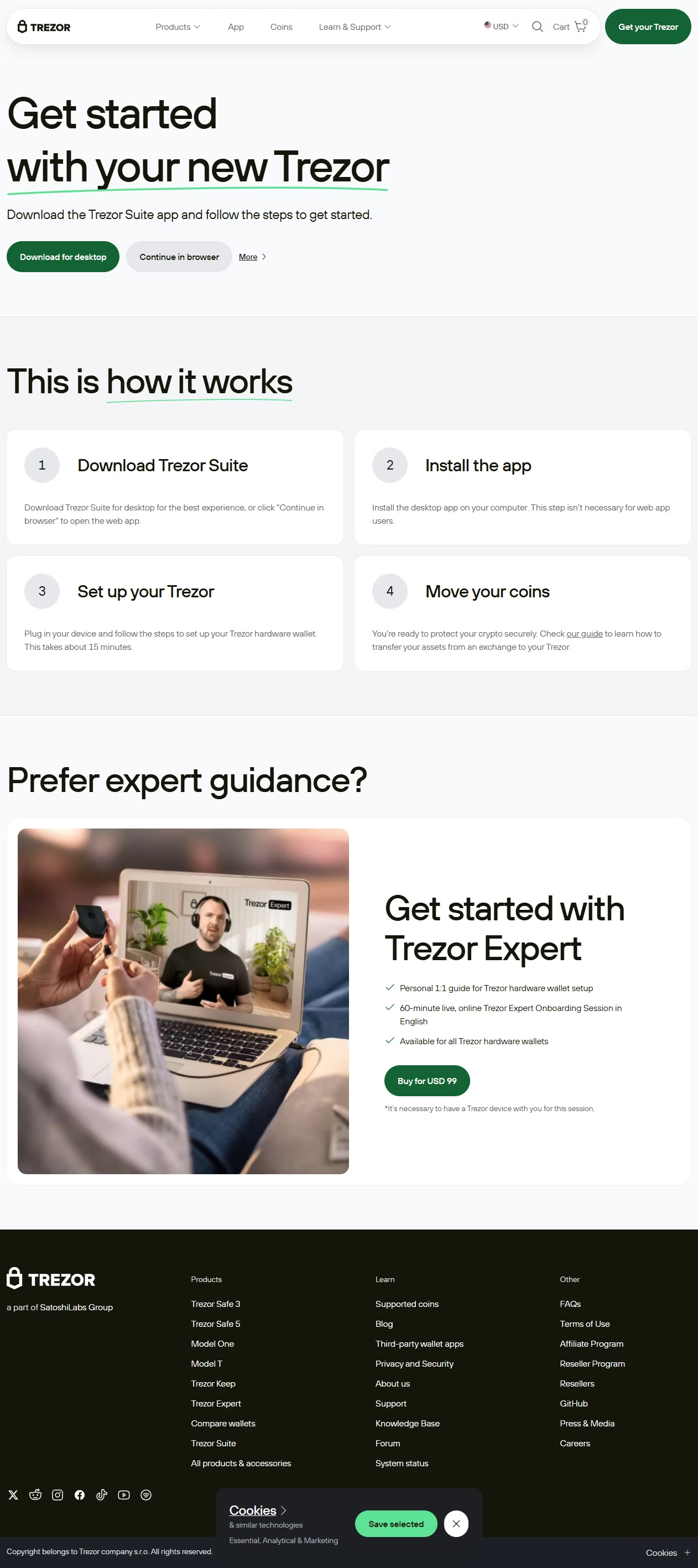
Trezor.io/start: A Complete Guide to Trezor Wallet Setup and Security
Getting started with a hardware wallet is an important step for users who want to manage cryptocurrency with greater control over their digital assets. A Trezor hardware wallet combines a physical security device with wallet-management software, allowing users to review accounts, manage supported cryptocurrencies, and approve transactions through a dedicated device. Trezor.io/start can serve as a starting point for users beginning the Trezor wallet setup process.
A secure setup requires more than connecting the device to a computer. Users should understand how Trezor Suite works with the hardware wallet, how recovery information should be protected, and why transaction details should always be verified before approval.
What Is Trezor.io/start?
Trezor.io/start is associated with the setup process for Trezor hardware wallets. It can help users find the appropriate starting instructions for preparing their device and connecting it with compatible wallet software.
The setup process may include installing the necessary software, connecting the Trezor device, initializing a new wallet, creating a secure backup, and completing other device-specific security steps.
Because available features can vary depending on the Trezor model and software version, users should follow the instructions provided for their particular device.
Understanding the Trezor Hardware Wallet
A Trezor hardware wallet is a physical device designed to provide an additional security layer when managing cryptocurrency.
The computer or mobile interface allows users to interact with supported accounts and blockchain networks, while the hardware device can be used to authorize sensitive operations.
This arrangement helps separate everyday wallet management from the process of approving important transactions.
For beginners, understanding this distinction makes it easier to see why the hardware device should remain protected even when the wallet software is installed on a computer.
Preparing Before Trezor Wallet Setup
Before beginning the setup, use a trusted computer and ensure that its operating system is reasonably current.
Obtain the required wallet software and setup instructions from a trusted official source. Avoid downloading applications from unofficial websites, suspicious advertisements, unknown file-sharing pages, or unexpected links.
Keep the Trezor hardware wallet available and make sure the connection method required for the device is ready.
Most importantly, take time to read each setup instruction carefully. Rushing through security steps can lead to unnecessary mistakes.
Connecting Your Trezor Hardware Wallet
Once the appropriate setup environment is ready, connect the Trezor device according to the instructions for the specific model.
The hardware wallet may display important information directly on its screen during setup and later transactions. Users should pay attention to these details rather than relying entirely on the computer display.
If the physical device shows information that does not match what you expected, stop and investigate before continuing.
This verification habit is useful throughout the entire life of the wallet.
Using Trezor Suite
Trezor Suite provides a software interface for interacting with compatible Trezor hardware wallets.
Depending on the device and supported cryptocurrency, users can use the application to review accounts, monitor balances, manage supported assets, receive cryptocurrency, and prepare transactions.
The software provides convenience, but the hardware wallet remains an important part of the security model.
Users should also make sure that they are working with the legitimate software before connecting or configuring a device.
Creating a Secure Wallet Backup
During a new-wallet setup, the device may guide users through creating a backup of their wallet recovery information.
This backup is extremely important because it can potentially be used to restore access to wallet accounts if the original hardware device becomes unavailable.
Write down the recovery information exactly as instructed and keep it somewhere secure and offline.
Do not take photographs of it, upload it to cloud storage, save it in a computer document, or send it through email or messaging services.
Protecting Your Recovery Seed
The recovery seed should be treated as highly confidential information.
Never enter it into an unfamiliar website, online form, browser extension, or application. Do not share it with friends, strangers, or people claiming to provide technical support.
A request for the complete recovery seed should be considered a serious warning sign.
The security of a self-custody wallet depends heavily on keeping this backup away from unauthorized individuals.
Managing Your Trezor Accounts
After completing the initial setup, users can use the wallet software to manage supported accounts.
Depending on current features, users may be able to view balances, review transaction history, organize accounts, receive cryptocurrency, and prepare outgoing transfers.
The wallet interface displays information associated with blockchain networks. The cryptocurrency itself is not physically stored inside the software or hardware device.
Instead, the wallet provides the tools and credentials needed to interact with blockchain-based assets.
Receiving Cryptocurrency With Trezor
Receiving cryptocurrency generally involves providing the sender with a wallet address.
Before sharing an address, verify that it belongs to the intended account and is compatible with the correct asset and network.
For significant transactions, carefully review the address before sharing it. A small test transfer can also be considered when dealing with a new address or unfamiliar service.
Avoid copying addresses from suspicious messages or unknown websites.
Sending Cryptocurrency Safely
Sending cryptocurrency requires careful review because blockchain transactions can be difficult or impossible to reverse once confirmed.
Before approving a transaction, check the destination address, amount, network, and transaction fee.
The information displayed on the Trezor hardware wallet should also be reviewed before approval. Compare the details shown on the device with the transaction you intended to make.
If something appears incorrect or unfamiliar, do not approve the transaction.
Keeping Trezor Software Secure
A hardware wallet provides an important security layer, but the computer used to manage it should also be protected.
Keep your operating system updated and avoid installing applications from unknown sources. Be cautious with browser extensions, downloads, and unexpected wallet-related notifications.
Users should also be skeptical of urgent messages claiming that a wallet needs immediate verification, synchronization, recovery, or account activation.
Security decisions should be based on trusted information rather than pressure or urgency.
Avoiding Fake Trezor Login and Setup Pages
Cryptocurrency users can encounter websites that imitate legitimate wallet services. These pages may use familiar branding and ask users to enter recovery information.
A genuine-looking design does not prove that a website is trustworthy.
Before entering any sensitive information, verify the website address and source independently. Avoid following unexpected links received through social media, email, advertisements, or private messages.
Most importantly, never provide a recovery seed simply because a website claims that it is needed to complete setup or restore wallet access.
Verifying Transactions on the Device
One of the most important habits when using a hardware wallet is verifying transaction information directly on the physical device.
Before confirming a transfer, carefully review the recipient address and transaction amount shown by the Trezor device.
If the information does not match the transaction you intended to make, cancel the process and investigate the issue.
This additional confirmation step can help users identify mistakes before an irreversible blockchain transaction is authorized.
Keeping Your Trezor Wallet Updated
Wallet software and device firmware may receive updates that improve compatibility, features, or maintenance.
However, users should always distinguish legitimate updates from fraudulent messages.
Never follow an update instruction that unexpectedly asks for a recovery seed or other highly sensitive information.
Use trusted software and follow the appropriate instructions for the specific Trezor model being used.
What to Do When Setup Does Not Work
Technical problems can sometimes occur during hardware wallet setup. A device may fail to connect, software may not recognize the hardware wallet, or an application may display an unexpected message.
When this happens, avoid searching for unofficial support through random websites or social media accounts.
Instead, verify the connection, confirm that the correct software is being used, and consult trusted troubleshooting instructions.
Never give your recovery seed to someone who claims they need it to repair or activate your wallet.
Final Thoughts on Trezor.io/start
Trezor.io/start can provide a useful starting point for users beginning their Trezor hardware wallet setup. A successful setup involves more than installing software and connecting a device; it also requires protecting recovery information, using trusted software, and developing careful transaction-verification habits.
Trezor Suite can provide a convenient environment for managing supported cryptocurrency accounts, while the physical Trezor device adds an important layer for sensitive wallet operations.
By approaching the setup process carefully, protecting the recovery seed, verifying transactions on the hardware wallet, and staying alert to phishing attempts, users can build safer habits for managing their cryptocurrency through a Trezor wallet.
Updated about 5 hours ago